It's the question hanging over every industry right now, and ours is no exception. Open any newspaper and you'll read that artificial intelligence is coming for our jobs - faster, cheaper, never needs a coffee break.
So let's be honest about it.
AI is already changing how protection works, and most of that change is genuinely good. But the idea that a machine could ever fully replace the person sitting beside you when life falls apart? That's where the story falls down. Protection has always been a human business. We think it always will be.
Here's why - and here's how the clever stuff actually makes us better at the job.
Most of the AI in our world isn't flashy. It's quietly useful.
When you apply for cover, automated underwriting can read your details and return a decision in minutes rather than weeks - work that once meant a stack of forms, a medical, and a long wait. For plenty of people, cover that used to need GP reports or a nurse's visit can now be assessed from the answers alone, which means more of us get protected sooner. Behind the scenes, smart systems help sift the whole market, flag the policies worth a closer look, and spot the gaps an outdated plan might be hiding.
Away from the customer, it's quietly doing the heavy lifting too - checking files, running compliance, crunching data, drafting the routine emails that used to eat half a morning. On the claims side, AI helps triage cases, handle paperwork, and catch the rare fraudulent claim that pushes prices up for everyone else. And simple questions - "what's my policy number?", "how do I update my address?" - can be answered any time of day, so nobody waits on hold for something straightforward.
None of that replaces advice. It just clears the path to it.
Here's the part that doesn't make headlines: the best thing AI gives an adviser is time.
Every hour we're not spending wrestling with admin, summarising a forty-page policy document, or typing up notes is an hour we can spend where it actually counts - listening to you. Understanding your worries. Working out what your family would really need if the worst happened.
AI can draft, summarise, research and organise in seconds. We use that to come to you sharper and better prepared, not to step back from you. When a tool takes notes during our call, it means we're looking at you instead of a screen. When it pulls the market together in moments, it means our energy goes on the judgement, not the legwork.
Good technology doesn't make the adviser smaller. Done right, it makes the advice bigger.
The next few years will go further still.
Underwriting will keep getting faster and more personal, with cover that can flex as your life changes rather than sitting frozen the day you signed it. With your permission, health and wellness data could help reward healthier living and even nudge problems before they ever become claims. Claims teams will get better at spotting who needs support early - and reaching out before a client has to ask.
It's a genuinely exciting direction: protection that's quicker, fairer and more tailored to the actual person, not the average one.
But notice what every one of those improvements still needs. Someone to explain it. Someone to decide whether it's right for you. Someone to be accountable when it matters.
There's a skill in this job that's easy to overlook, because it just looks like... talking.
Ask most people whether they're financially resilient and they'll tell you they're fine. They'll be alright. It's human nature - none of us can walk around genuinely believing something might happen to us tomorrow, so we don't. A form takes that "I'm fine" at face value. An algorithm ticks the box and moves on.
A good adviser doesn't. We know the real picture usually sits behind one or two more questions - the gentle ones that open the conversation up. What would actually happen to the mortgage? Who'd pick up the bills if you couldn't work for a year? It's those questions that move someone from a bare-bones policy to cover that would genuinely hold their family up if life turned. And it's deeply human work: reading the hesitation, knowing when to push and when to pause, taking someone on the journey rather than just handing them a quote.
That's not box-ticking. That's the craft - and it's exactly the part that doesn't automate.
Now think about the day a claim is actually made.
It's rarely a good day. It usually arrives wrapped in a diagnosis, an accident, or a loss - at exactly the moment a person has the least capacity to deal with paperwork and the most need simply to be heard. In 2025 alone we supported over 100 claims that paid out more than £1.1 million, and behind every one of those figures was a person having one of the hardest weeks of their life.
That's not a transaction. It's a relationship.
A machine can calculate a payout. It can't sit with someone in their fear, or pick up that the quiet "I'm fine" on the phone means anything but. It can't adapt when English isn't a client's first language, or notice the vulnerability that nobody has put into words. It can't chase an insurer, fight a corner, or go looking for the extra support - the counselling, the practical help - that a family didn't even know existed.
We've done all of those things. Not because a system told us to, but because we're people, and we cared.
That's the part of this job no algorithm is coming for.
Here's a question that doesn't get asked enough.
More and more people now turn to AI before they ever speak to a human - asking a chatbot what cover they need, getting a confident-sounding answer, and buying something basic off the shelf. It feels quick and easy. And for the most straightforward needs, those off-the-shelf "core" products, sometimes it is.
But there's a catch that's easy to miss. A chatbot can sound completely sure of itself and still be wrong - it doesn't know what it can't see about your health, your family or your finances, and it won't think to ask. When you arrange cover yourself, with no advice and no recommendation, you're the one carrying the risk. If the product turns out to be wrong for you, if there's a gap nobody flagged, if a claim is later declined over something you didn't realise you had to disclose - that sits with you. Nobody's standing behind the decision.
Go through an adviser and that flips. When we make a recommendation, we're accountable for it. We're regulated by the Financial Conduct Authority, our advice has to be suitable for your circumstances, and if we get it wrong, you have real recourse. The responsibility moves from your shoulders to ours - which is exactly where it should sit.
And that's worth pausing on, because it points to a bigger question the industry hasn't really settled. Advisers are regulated by the FCA for one reason above all: to protect you. The rules on suitability, on accountability, on putting things right when they go wrong - they exist so that anyone giving advice can be held responsible for it. So if more and more people are taking advice straight from AI and acting on it themselves, it's fair to ask: should that AI be held to the same standard? Right now, it isn't. A regulated adviser owes you a duty of care that a chatbot simply doesn't - and until the rulebook catches up with the technology, that gap sits with the customer.
That's exactly why, in our world, the principle stays firm: however much technology helps behind the scenes, a real person still puts their name to the advice and answers for it. The regulator expects that human accountability, and so do we. A machine can inform a decision. It can't be responsible for one.
So here's our honest view.
We'll happily use every tool that helps us serve you better. If AI can take the friction, the waiting and the jargon out of protection, brilliant - that's more time and energy for the things only a human can do. We see it as a co-pilot, not the pilot.
And here's the interesting part: the more automated the world gets, the more people seem to value the chance to sit across from a real person who'll look them in the eye. The buzzword might be AI - but the thing customers keep telling us they want is a human who listens.
Because at the heart of protection is something a screen will never replicate: trust, built through real conversations, with someone who'll still be standing beside you when a claim lands - not just when the policy was signed.
Care first, sell second. Honest advice, in plain English, from a person who remembers your name. That's the Waddle Way - and no amount of clever technology is going to change it.
Proper peace of mind has always come from people. We intend to keep it that way.
An algorithm can spot a gap in seconds - but it can't tell you what that gap means for the people you love.
That's where a Policy Checkup comes in. A real adviser takes a proper look at the cover you've already got, makes sure it still fits the life you're actually living, and flags anything that's quietly fallen behind.
No pressure. No jargon. Just an honest second opinion from someone who's accountable for it.
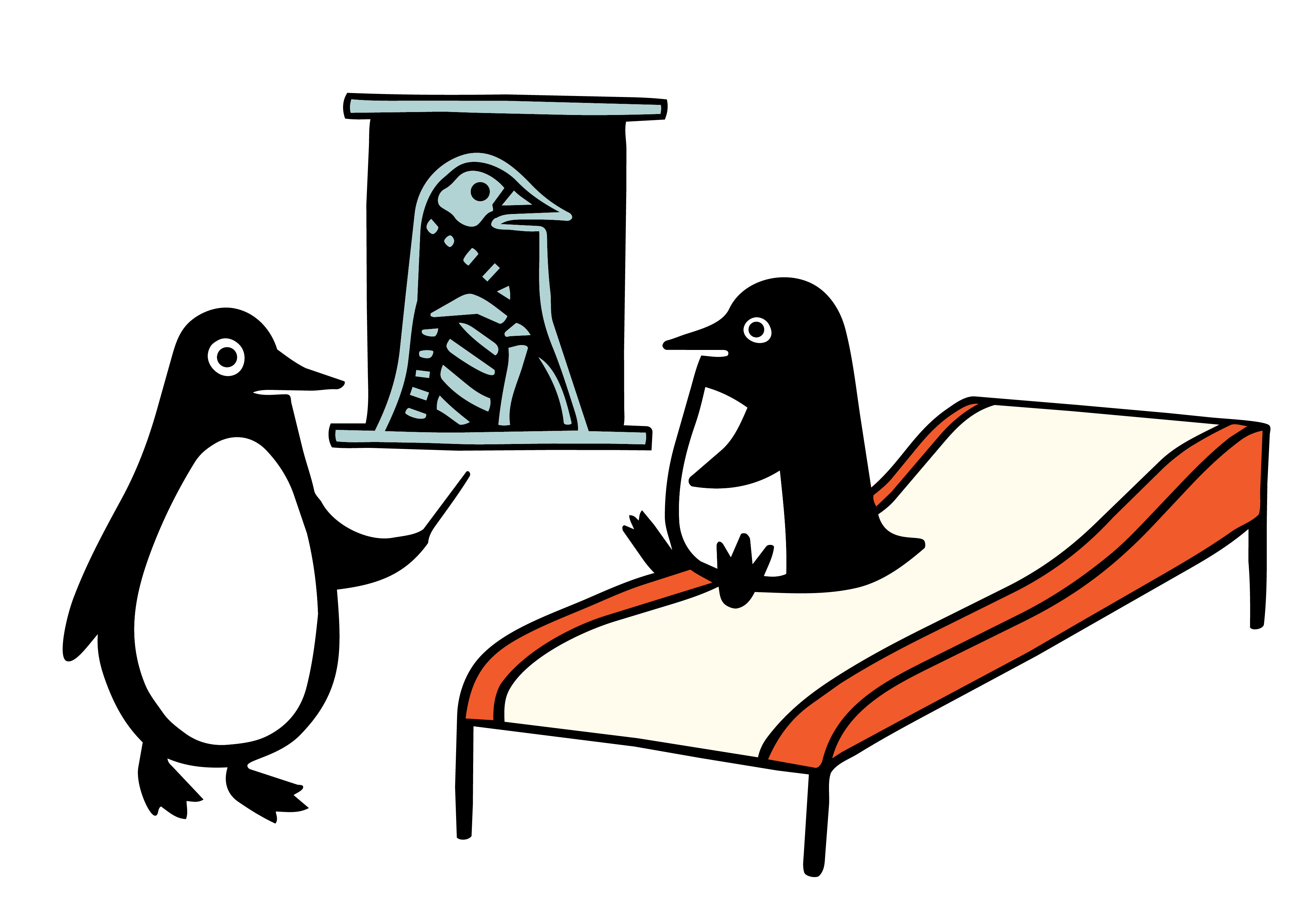
Graham came to us for a second opinion on his protection. We uncovered a 17-year-old policy with unbeatable cover - one worth holding onto. Two years later, after a stroke, that legacy policy paid out £75,000 when he needed it most. The right advice. At the right time. For all the right reasons.
We said it above: the day a claim is made is rarely a good one - and that's exactly when the human side matters most.
Our 2025 Claims Report shows what that looks like for real. £1,133,478 paid out. 100 claims supported. And the honest stories of the people behind every figure.
No algorithms. Just real families, and a team that showed up when it counted - like we said we would.

Already have protection in place? We believe your cover should grow with you. Our friendly Policy Check reviews what you have, highlights strengths and gaps, and gives honest, expert advice to keep your cover working its best for you.